1
Karnak Temple (Great Hypostyle Hall)
- Footprint (sqm)
- 50000
- Location
- Egypt
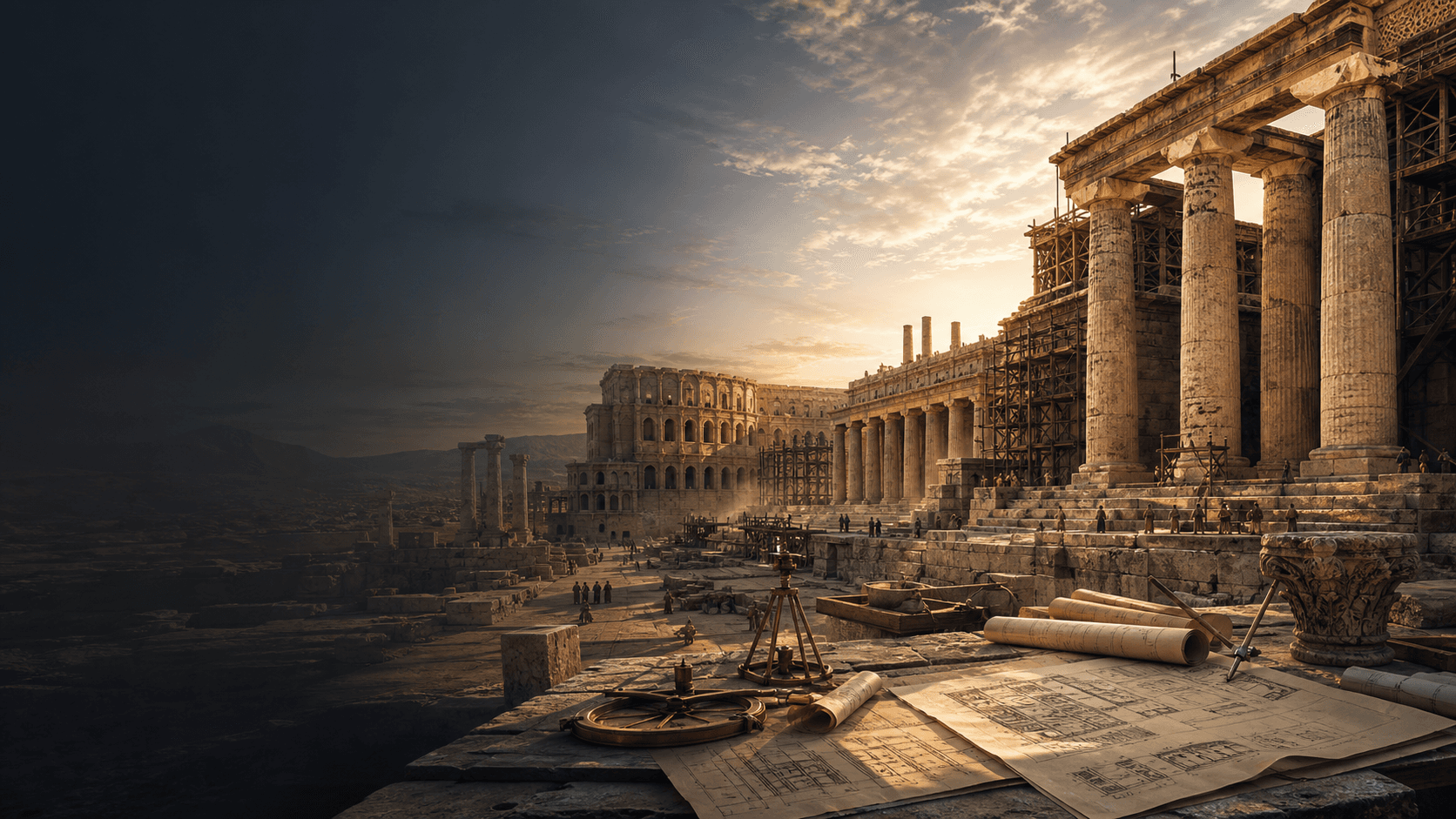
This ranking is based on the footprint area of single structures in human history, covering palaces, temples, and administrative buildings. These grand ruins symbolize the pinnacle of civilization and demonstrate the extreme limits of ancient engineering and spatial design.
Ranking methodology has not been provided.
References: 0. Page edits do not imply that the underlying data is newer. AI assisted in producing this content; verification status is shown above.
In this ranking, while the Forbidden City is the best-preserved wooden palace complex, its individual structures are surpassed in footprint by massive edifices like the Colosseum or gargantuan temples. These sites reveal how ancient craftsmen defied gravity with stone and timber. Notably, the 'largeness' of many temples (like the Temple of Amun) often stems from millennia of continuous expansion; this compound growth makes them nearly impossible for modern structures to exceed in sheer footprint.
| Rank | Name | Footprint (sqm) | Location |
|---|---|---|---|
| 1 |
No sign-in required. Feedback is reviewed before any content is changed. Limit: 5 per day.
Karnak Temple (Great Hypostyle Hall) |
50000 |
| Egypt |
| 2 | Colosseum | 24000 | Italy |
| 3 | Palace of Versailles (Main Building) | 19000 | France |
| 4 | Angkor Wat Main Temple | 16000 | Cambodia |
| 5 | Forbidden City (Hall of Supreme Harmony Platform) | 12000 | China |
| 6 | Baths of Diocletian | 11000 | Italy |
| 7 | Hagia Sophia | 9500 | Turkey |
| 8 | Pantheon | 6000 | Italy |
| 9 | Potala Palace | 5800 | China |
| 10 | Parthenon | 2500 | Greece |
Comments