1
Uruk
- Date (BCE)
- 3500
- Location
- Iraq
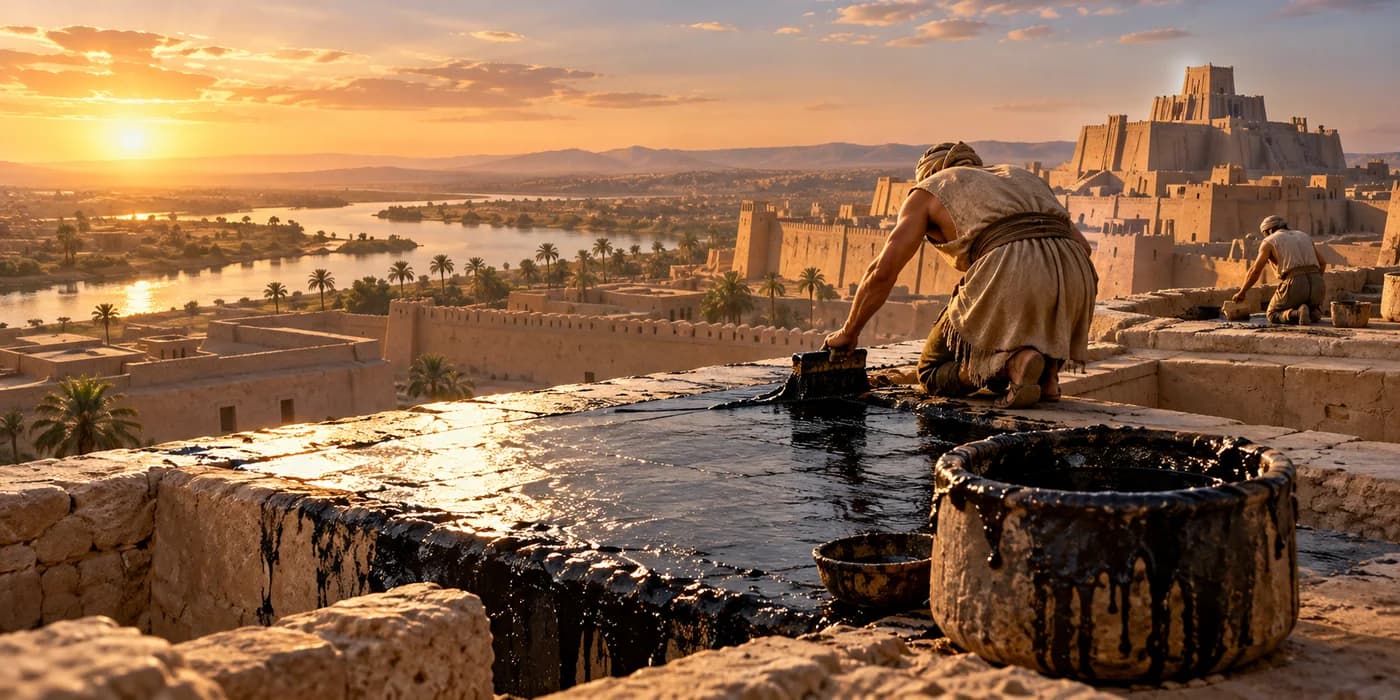
This list highlights ten ancient archaeological sites where early civilizations utilized natural bitumen for waterproofing and mortar. These sites showcase the ingenious application of bituminous materials by ancient peoples in Mesopotamia and beyond, marking a significant milestone in the history of architecture and materials science.
Ranking methodology has not been provided.
References: 0. Page edits do not imply that the underlying data is newer. AI assisted in producing this content; verification status is shown above.
In the history of human architecture, natural bitumen is revered as the earliest 'universal sealant.' Ranking first, Uruk, considered the world's first true city, demonstrated astonishing engineering ingenuity as early as 4000 BCE. Archaeologists have discovered that residents not only used bitumen to reinforce brick walls but also employed it to seal drainage pipes and stabilize temple foundations—a waterproofing efficacy that remains impressive over 5,000 years later.
Fascinating Comparative Insights:
| Rank | Site Name | Date (BCE) | Location |
|---|---|---|---|
| 1 | Uruk | 3500 |
No sign-in required. Feedback is reviewed before any content is changed. Limit: 5 per day.
| Iraq |
| 2 | Susa | 3200 | Iran |
| 3 | Ur | 3000 | Iraq |
| 4 | Mohenjo-daro | 2500 | Pakistan |
| 5 | Giza Necropolis | 2500 | Egypt |
| 6 | Lagash | 2400 | Iraq |
| 7 | Babylon | 1800 | Iraq |
| 8 | Mari | 2400 | Syria |
| 9 | Nineveh | 1500 | Iraq |
| 10 | Hattusa | 1400 | Turkey |
Comments