1
开普勒-442b (Kepler-442b)
- 地球相似指数
- 0.84
- 距离(光年)
- 120.6
- 宿主恒星类型
- K型橙矮星
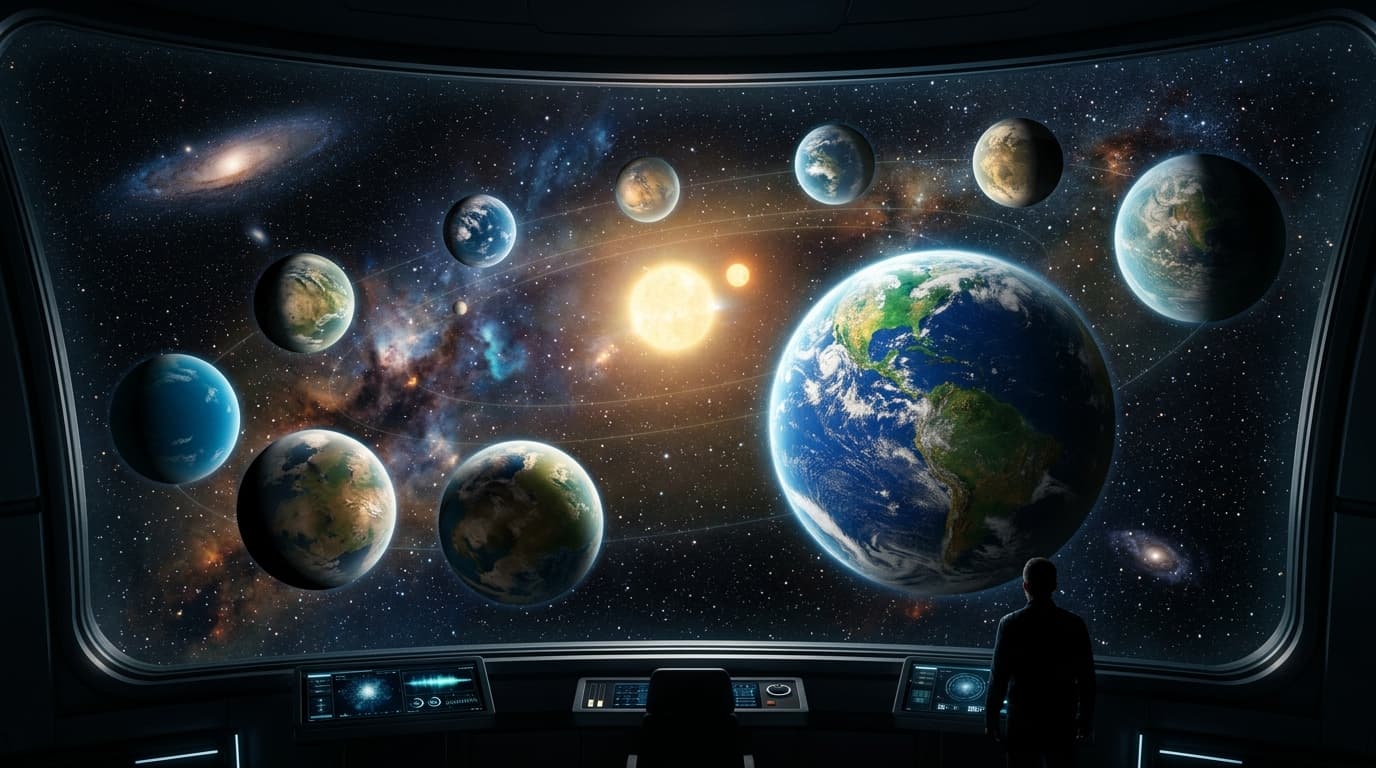
基于地球相似指数(ESI)、宜居带位置、恒星稳定性及大气潜力等科学指标,综合评估目前已确认的系外行星宜居程度。数据来源于NASA系外行星档案、ESA及学术期刊同行评审研究。
此榜单尚未补充排名依据。
参考来源:0 条。页面修改时间不代表原始数据已更新。 本榜单使用 AI 辅助整理,核验状态见上方。
在系外行星的探索中,开普勒-442b 被誉为“最可能存在生命的天堂”。以下是它为何稳居榜首的关键数据:
| 排名 | 行星名称 | 地球相似指数 | 距离(光年) | 宿主恒星类型 |
|---|---|---|---|---|
| 1 |
无需登录;反馈经审核后处理,不会自动修改榜单。每天最多5条。
开普勒-442b (Kepler-442b) |
0.84 |
120.6 |
| K型橙矮星 |
| 2 | 开普勒-62e (Kepler-62e) | 0.83 | 1200 | K型橙矮星 |
| 3 | 开普勒-438b (Kepler-438b) | 0.88 | 640 | M型红矮星 |
| 4 | 比邻星b (Proxima Centauri b) | 0.87 | 4.24 | M型红矮星 |
| 5 | 开普勒-186f (Kepler-186f) | 0.64 | 582 | M型红矮星 |
| 6 | 格利泽667Cc (Gliese 667Cc) | 0.85 | 23.6 | M型红矮星(三合星系统) |
| 7 | 开普勒-22b (Kepler-22b) | 0.71 | 635 | G型黄矮星(类太阳) |
| 8 | TRAPPIST-1e | 0.91 | 39.6 | M型超冷红矮星 |
| 9 | TOI-700 d | 0.93 | 101.5 | M型红矮星 |
| 10 | 开普勒-1649c (Kepler-1649c) | 0.9 | 300 | M型红矮星 |
用户评论