HomeCelebrities & PeopleTop 10 Political Figures Who Served in Multiple National GovernmentsTomáš Masaryk
百科词条From Wikipedia
Tomáš Masaryk
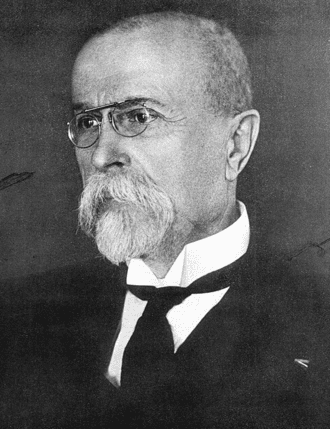
Tomáš Garrigue Masaryk (7 March 1850 – 14 September 1937) was a Czechoslovak statesman, political activist and philosopher who served as the first president of Czechoslovakia from 1918 to 1935. He is regarded as the founding father of Czechoslovakia. Born in Hodonín, Moravia (then part of the Austrian Empire), Masaryk obtained a doctorate at the University of Vienna and was a professor of philosophy at the Czech Charles-Ferdinand University. He began his political career as a deputy of the Austrian Reichsrat, serving from 1891 to 1893 and from 1907 to 1914. He was an advocate of restructuring the Austro-Hungarian Empire into a federal state, but by the outbreak of the First World War, he had become a supporter of Czech and Slovak independence. He went into exile, and travelled around Europe to organise and promote the Czechoslovak cause. He played a pivotal role in the establishment of the Czechoslovak Legion, which fought against the Central Powers during the war. In 1918, Masaryk, along with his protégés Edvard Beneš and Milan Rastislav Štefánik, travelled to the United States to obtain support from President Woodrow Wilson and Secretary of State Robert Lansing. Their negotiations resulted in the Washington Declaration, which proclaimed the independence of a Czechoslovak state. With the fall of Austria-Hungary in late 1918, the First Czechoslovak Republic received recognition from the Allied powers and Masaryk was recognised as head of its provisional government.
Categories
1850 births1937 deaths19th-century Czech philosophers20th-century Czech philosophersAcademic staff of Charles UniversityAcademics of King's College LondonAll articles needing additional referencesAll articles to be expanded
Quick Facts
Preceded by
Office established
Succeeded by
Edvard Beneš