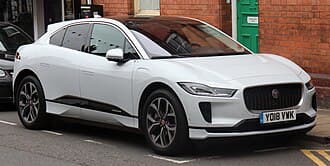
History of the electric vehicle
Electric vehicles became possible in 1827 when Hungarian priest Ányos Jedlik built the first electric motor; the next year he used it to power a small model car powered by a non-rechargeable battery. In 1838, Robert Davidson built an electric locomotive that attained a speed of four miles per hour (6 km/h). A British patent was granted in 1840 for the use of rails as conductors of electric current, and similar US patents were issued to Lilley and Colten in 1847. Usable electric cars appeared during the 1890s. An electric car held the vehicular land speed record until around 1900. In the early 20th century, the high cost, low top speed, and short range of battery electric vehicles left them unable to compete with internal combustion engine (ICE) vehicles for consumer use. Electric vehicles were used for forklift trucks, freight equipment platform trucks, and ambulances. The first mass-produced electric cars appeared in America in the early 1900s. In 1902, the Studebaker Automobile Company e the automotive business with electric cars. In 1900, 28 percent of the cars on the road in the US were electric.