- Area (hectares)
- 528
- Country
- South Africa
Top 10Updated March 12, 2026
Top 12 Largest National Botanical Gardens Worldwide
This ranking is based on the official total land area of national botanical gardens, covering the most representative research and landscape gardens across all continents. These institutions play an irreplaceable role in biodiversity conservation, ecological research, and public education.
Top 3
- 1Kirstenbosch National Botanical Garden
- 2
About this ranking
- Ranking type
- Not classified
- Data as of
- Not specified
- Last source review
- Not yet verified
Ranking methodology has not been provided.
References: 0. Page edits do not imply that the underlying data is newer. AI assisted in producing this content; verification status is shown above.
Interesting Facts & Summary
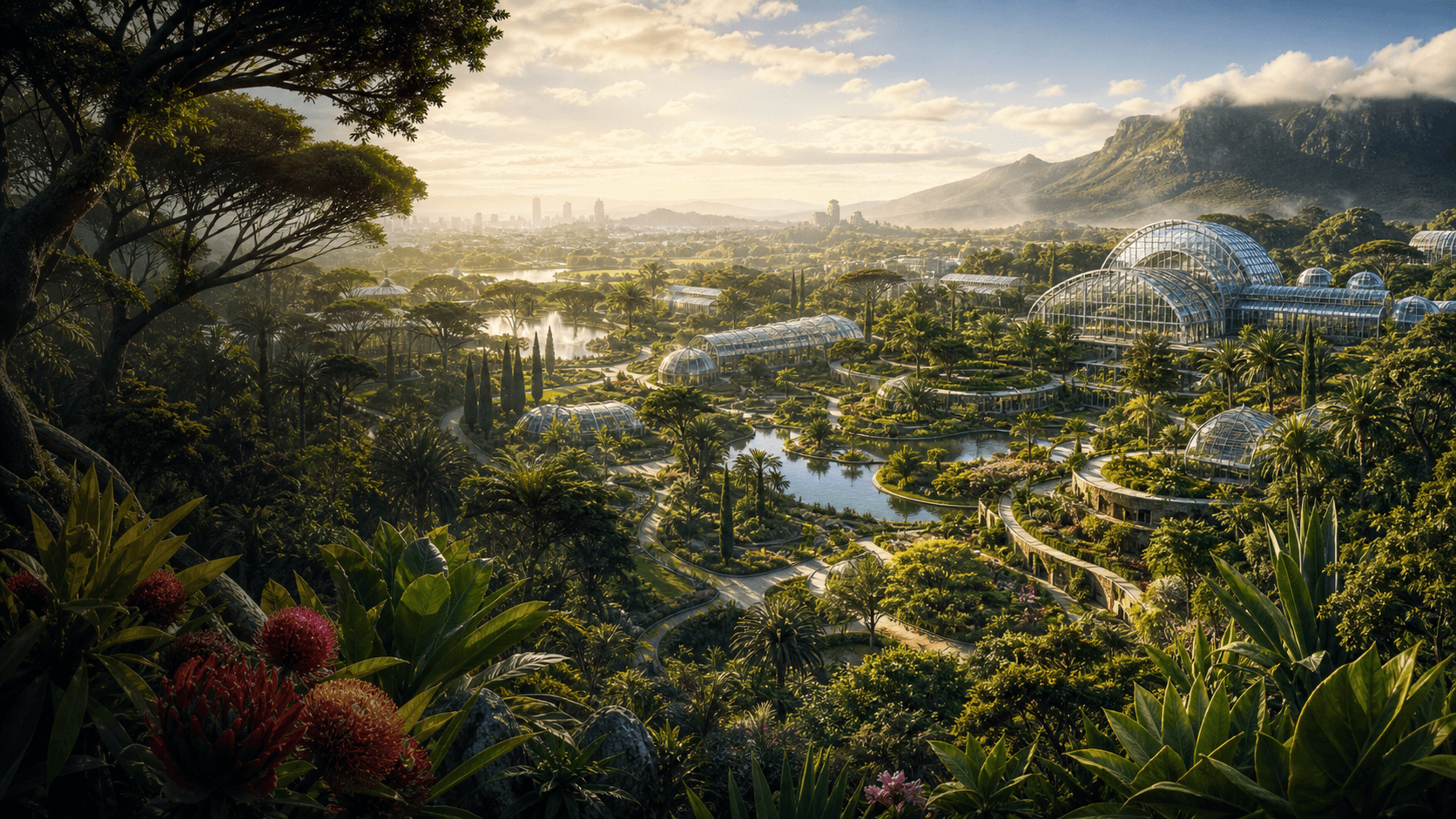
As of 2026, the world's largest national botanical gardens serve not only as sanctuaries for biodiversity but also as arenas where geography meets climate. Ranking first, the Kirstenbosch National Botanical Garden spans an impressive 528 hectares. As the world's first botanical garden dedicated to indigenous flora, it sits at the heart of the Cape Floristic Region, home to over 7,000 native species. Interestingly, its scale often dwarfs the gardens at the bottom of this list by several times. Furthermore, by leveraging the vertical climate zones of Table Mountain’s eastern slopes, Kirstenbosch achieves a density of ecological diversity that far exceeds flat-land botanical gardens, effectively condensing the entire evolutionary history of South African flora into a single, majestic landscape.
| Rank | Name | Area (hectares) |
|---|
Report a data error
No sign-in required. Feedback is reviewed before any content is changed. Limit: 5 per day.
List Stats
Views898
Items10
CategoryGeography & Cities
Comments