HomeNature & BiologyTop 10 Biological Species with the Widest Spectral Sensitivity RangesRainbow trout
百科词条From Wikipedia
Rainbow trout
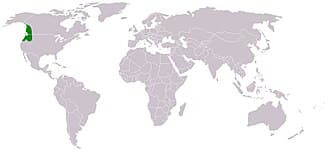
The rainbow trout (Oncorhynchus mykiss) is a species of trout native to cold-water tributaries of the Pacific Ocean in North America and Asia. The steelhead (sometimes called steelhead trout) is an anadromous (sea-run) form of the coastal rainbow trout (O. m. irideus) or Columbia River redband trout (O. m. gairdneri) that usually returns to freshwater to spawn after living two to three years in the ocean. Adult freshwater stream rainbow trout average between 0.5 and 2.5 kilograms (1 and 5 lb), while lake-dwelling and anadromous forms may reach 9 kg (20 lb). Coloration varies widely based on subspecies, forms, and habitat. Adult fish are distinguished by a broad reddish stripe along the lateral line, from gills to the tail, which is most vivid in breeding males. Wild-caught and hatchery-reared forms of the species have been transplanted and introduced for food or sport in at least 45 countries and every continent except Antarctica. Introductions to locations outside their native range in the United States, Southern Europe, Australia, New Zealand, and South America have damaged native fish species. Introduced populations may affect native species by preying on them, out-competing them, transmitting contagious diseases (such as whirling disease), or hybridizing with closely related species and subspecies.
Categories
All articles with dead external linksArticles containing Latin-language textArticles with 'species' microformatsArticles with dead external links from August 2024Articles with dead external links from September 2023Articles with permanently dead external linksArticles with short descriptionCS1 Czech-language sources (cs)